
The lawn care industry is undergoing a transformation, with robotic and remote-controlled mowers becoming more common in homes, businesses, and public spaces. Importing a Chinese remote-controlled lawn mower into markets like the US or the EU can be a smart business move, thanks to cost-effective options, advanced technology, and the growing demand for automated outdoor solutions. However, navigating the rules and regulations around importing these products, especially in terms of HS codes, compliance certifications (like CE or EPA), and testing, can seem daunting at first.
If you’ve got your eye on a high-quality Chinese lawn mower, perhaps even from emerging brands like Nicosail, this guide will help you understand the steps, requirements, and compliance processes to ensure smooth and legal importation into the US or EU. Don’t worry, we won’t turn this into a sales pitch for any brand, but we’ll provide a balanced overview of what you need to consider when bringing a remote-controlled lawn mower from China to your target market.
Let’s dive into everything you need to know—from understanding HS codes to ensuring CE and EPA compliance.

1. Understanding the Basics of Importing a Chinese Lawn Mower
Before jumping into the nitty-gritty of regulations and paperwork, let’s go over the fundamental concepts you’ll need to get familiar with when importing a product like a remote-controlled lawn mower from China. These are your key steps:
1.1 Why China?
China is a hub for manufacturing robotic and remote-controlled lawn mowers. Many of these mowers come equipped with advanced features like GPS navigation, autonomous charging, and programmable cutting schedules. Importing from China can be an attractive option because:
- Competitive pricing: Manufacturers in China offer highly cost-effective products, allowing you to sell competitive pricing in the market.
- Innovation: Chinese companies are consistently developing new technologies and features, like remote control, app integration, and automated grass height adjustment.
- OEM opportunities: Many manufacturers are open to creating custom versions or private-label products, which means you can import a mower that fits your brand.
1.2 Identifying Your Target Market (US vs. EU)
The first step in the import process is identifying where you’ll be selling. While the US and the EU have some overlap in terms of regulations, there are important differences. Let’s go over both in this article, focusing on the most crucial compliance areas for importing a Chinese remote-controlled lawn mower.
2. How to Find the Right HS Code for Your Mower
2.1 What is an HS Code?
The Harmonized System (HS) code is an international system used to classify traded products. It helps customs authorities determine applicable duties, taxes, and regulations for different products. Each product is assigned an HS code, which is a six-digit number that categorizes the item in a specific way.
For remote-controlled lawn mowers, you’ll need to identify the correct HS code to ensure your shipment passes smoothly through customs.
2.2 How to Find the Right HS Code for a Lawn Mower
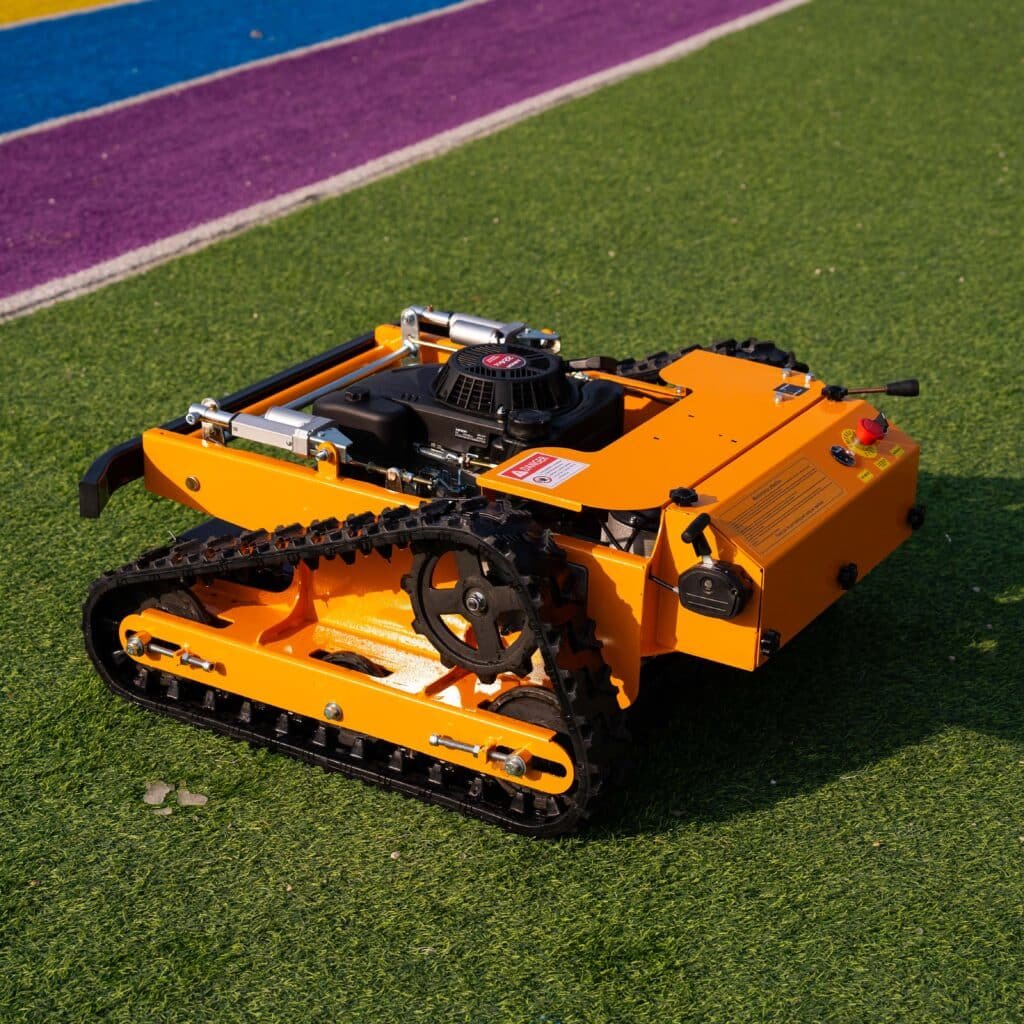
The HS code for a remote-controlled lawn mower generally falls under the category of “lawn mowers” or “garden machinery.” However, the exact code may depend on additional factors, such as the mower’s engine type (electric vs. gas), whether it’s considered a robot (for autonomous mowers), and whether it’s imported as a complete unit or in parts.
For example, an electric lawn mower might be classified under HS Code 8433.20, which covers lawn mowers powered by engines or motors. If your mower has a remote-control feature, it might be more appropriately classified under a subcategory of robotic mowers, which may need additional verification.
Be sure to work with a customs broker or your supplier to verify the correct HS code before shipping.
3. Understanding CE Certification for the European Market
When importing any product into the European Union, ensuring compliance with CE (Conformité Européenne) standards is crucial. The CE marking shows that the product meets EU safety, health, and environmental protection requirements. For a Chinese remote-controlled lawn mower, this certification ensures that your product is legally able to be sold in the EU.
3.1 Why is CE Certification Important?
The CE mark is essentially your product’s passport into the European market. Without it, your mower cannot be legally marketed or sold within the EU, and you might face fines, product seizures, or legal consequences.
3.2 CE Requirements for Remote-Controlled Lawn Mowers
For remote-controlled lawn mowers, some of the critical requirements to meet CE standards may include:
- Electrical Safety: Compliance with the Low Voltage Directive (LVD), which ensures the mower’s electrical system is safe to use.
- Electromagnetic Compatibility (EMC): Ensuring the mower doesn’t emit excessive electromagnetic interference that could affect other devices.
- Noise and Vibration: Since lawn mowers are used in residential and public spaces, regulations surrounding noise levels and vibration must be met.
A good example is Nicosail, which provides products that meet CE certification standards, ensuring their robotic lawn mowers can be sold in the EU. While you wouldn’t be focusing solely on one brand, understanding how CE certification works for reliable brands like Nicosail is a good starting point for understanding the regulatory landscape.
3.3 The CE Certification Process
To obtain a CE certification for your remote-controlled mower, you’ll need to:
- Conduct testing: Product testing must be done according to the applicable EU directives.
- Technical documentation: This includes the user manual, safety instructions, and testing reports.
- Declaration of Conformity (DoC): A declaration issued by the manufacturer or authorized representative stating that the product complies with all EU regulations.
Once you have all these in place, you can legally affix the CE mark to your product.
4. EPA Certification for the US Market
If you’re importing a remote-controlled lawn mower to the US, especially if it runs on a gas engine or has some form of emissions output, you’ll need to consider the EPA (Environmental Protection Agency) certification.
4.1 Why is EPA Certification Important?
The EPA sets the standards for environmental protection in the US, particularly for products that emit pollutants (like gasoline-powered equipment). If your mower runs on gasoline or other combustion engines, it will need to meet these standards. Without proper EPA certification, you risk having your product blocked from entering the US market, or facing penalties after the sale.
4.2 Key Considerations for Lawn Mowers
Remote-controlled lawn mowers that are powered by gasoline engines must adhere to EPA’s small engine regulations. This includes:
- Emissions testing: The mower will need to meet specific emissions standards for carbon monoxide, nitrogen oxides, and hydrocarbons.
- Labeling: Gas-powered mowers must carry the appropriate EPA emission control label.
Electric models typically do not require EPA certification unless they have certain features that could trigger specific regulations. If you’re importing a battery-powered mower, it’s always a good idea to check if it meets all safety standards related to batteries (like UL certifications).
4.3 The EPA Certification Process
To obtain EPA certification for a gas-powered mower, the manufacturer must submit:
- Emission test results: Ensure the mower’s emissions are within allowable limits.
- Labeling information: The product label must meet EPA requirements.
- Compliance with standards: Ensure the mower complies with all relevant federal regulations.
Keep in mind, the EPA certification process can be lengthy, and it may take a few months to complete the necessary testing and paperwork.
5. Testing Your Lawn Mower: Ensuring Compliance
Whether you’re selling to the US or the EU, product testing is a critical part of ensuring your remote-controlled lawn mower meets the required safety and environmental standards. Testing is needed for both CE and EPA compliance, and some testing may be required by customs authorities as well.
5.1 Electrical Testing
Both the US and the EU have strict electrical safety standards. Testing should include:
- Short circuit protection
- Overload protection
- Water resistance (IP ratings)
5.2 Battery Testing (if applicable)
If the mower is battery-operated, the battery must comply with safety standards in both markets. This could include:
- Battery capacity and energy storage
- Fire safety and thermal testing
- Overcharge protection
5.3 Noise Testing
Lawn mowers are noise-generating products, and both the US and EU have noise standards to limit disturbances. A noise test may be necessary, particularly in residential areas, to ensure your mower doesn’t exceed allowable decibel levels.
6. Shipping and Customs Considerations
Once you’ve ensured that your product is compliant with both EPA and CE standards, it’s time to plan for shipping. Here are the key things to keep in mind:
6.1 Shipping and Freight
Shipping from China can be done by sea or air, with sea freight being the most economical. Ensure that your product is packed securely, and all required documentation is included to prevent customs delays.
6.2 Customs Clearance
Customs clearance is another critical step when importing into the US or EU. Your mower will be subject to tariffs, customs duties, and taxes, which will vary depending on your product’s HS code and the country of import. Make sure you:
- Work with a customs broker to navigate tariffs.
- Ensure all your paperwork is in order (including HS codes, CE/EPA certifications, and invoices).
- Be prepared for customs inspection.
7. Working with Reliable Manufacturers like Nicosail
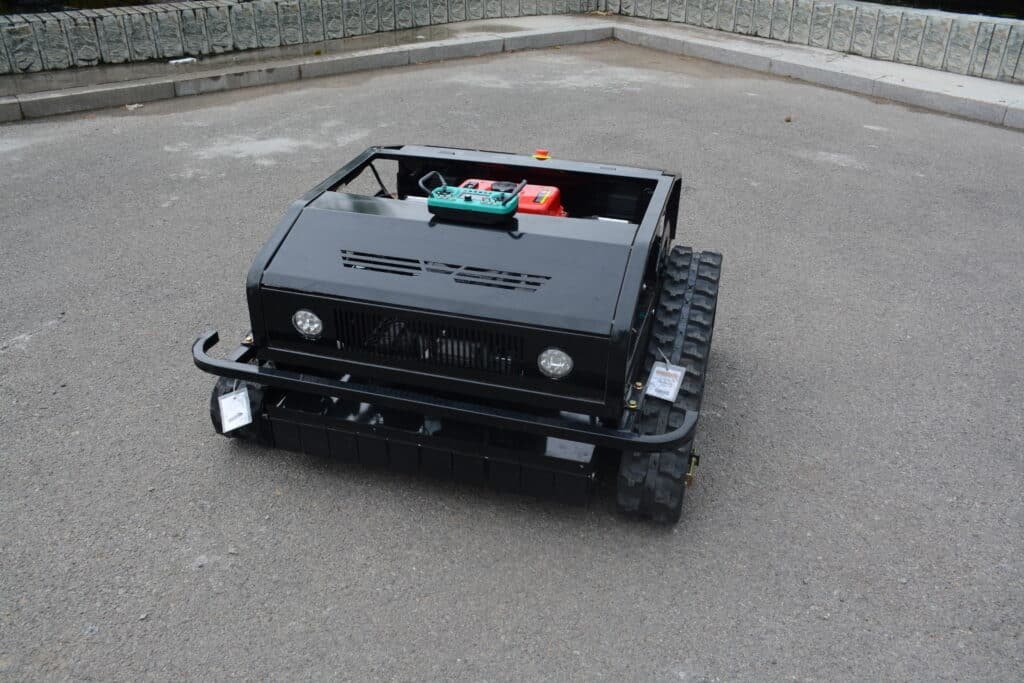
If you’re sourcing from China, selecting the right manufacturer is key to ensuring that your product meets all necessary standards. Look for manufacturers who have experience exporting to the US and EU markets and have a strong track record in product certification.
While there are many established brands, a newer brand like Nicosail might be worth considering, especially if you find that they can provide CE and EPA compliant products at competitive prices. They can be a good starting point for understanding how newer brands are navigating the global market and compliance processes.
Again, the key here is ensuring that the manufacturer can provide you with all the documentation you need, including proof of certification, testing results, and product manuals.
8. Conclusion: Successfully Importing Your Remote-Controlled Lawn Mower
Importing a remote-controlled lawn mower from China to the US or EU is an exciting opportunity, but it requires careful attention to regulatory compliance. By understanding the importance of HS codes, CE certification, EPA standards, and product testing, you can ensure that your product makes it to market without a hitch.
Whether you’re looking to import a product from a brand like Nicosail or another supplier, make sure to:
- Verify the correct HS code for your product.
- Ensure CE certification for the EU and EPA compliance for the US.
- Conduct necessary product testing to meet safety, emissions, and noise standards.
- Work with experienced customs brokers to navigate the import process.
Following these steps will help you streamline your importing process and ensure that your remote-controlled lawn mower is ready for the market—legally, safely, and efficiently.
Good luck with your import journey, and happy mowing!


